The $325 Million Game Changer
Corey Seager's estimated net worth of $85 million in 2026 represents one of baseball's most calculated financial transformations. The 32-year-old shortstop's decision to leave the Los Angeles Dodgers for the Texas Rangers in 2021 proved to be a masterstroke that redefined both his career trajectory and earning potential.
 Photo: Texas Rangers, via cdn11.bigcommerce.com
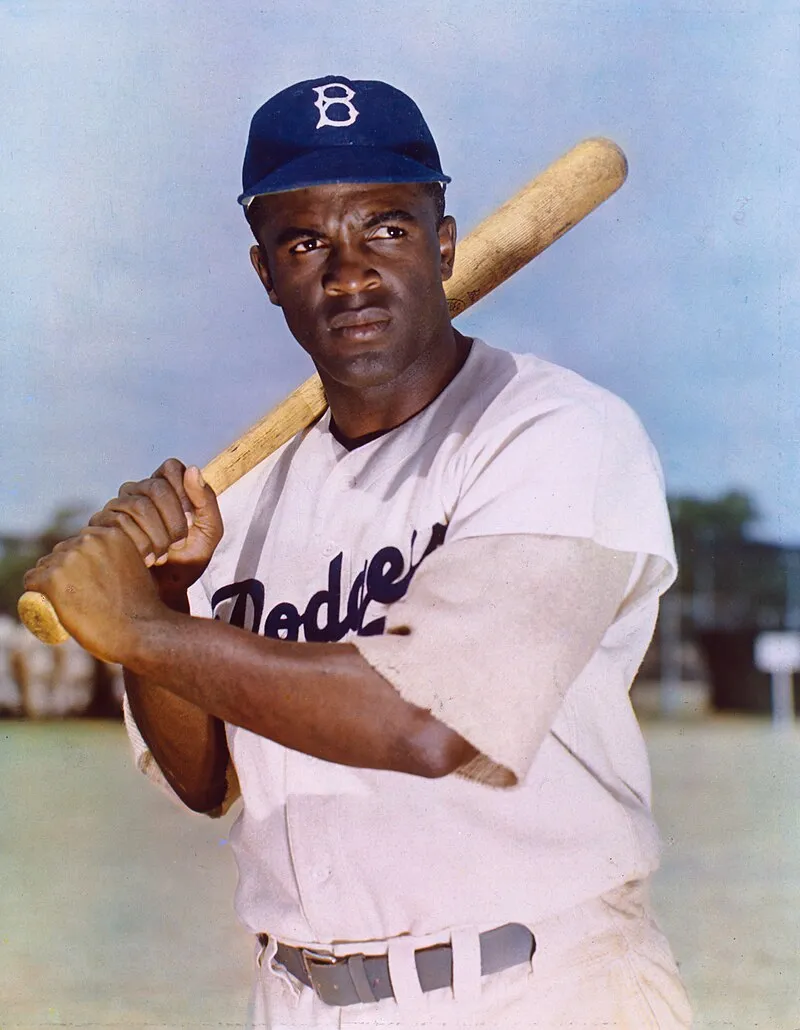
 Photo: Corey Seager, via wp.clutchpoints.com
Seager's landmark 10-year, $325 million contract with Texas stands as the largest deal in Rangers history and one of the richest shortstop contracts ever signed. This massive commitment reflects not just his on-field production, but his proven ability to deliver in baseball's biggest moments.
Early Career Foundation
Selected 18th overall by the Dodgers in 2012, Seager's professional journey began with a $2.35 million signing bonus that established the foundation of his wealth. His rapid ascent through Los Angeles' farm system demonstrated the value of that initial investment, as he reached the majors just three years later.
Seager's rookie contract with the Dodgers provided modest earnings by today's standards, but his immediate impact - including the 2016 National League Rookie of the Year award - positioned him for future financial success. His early arbitration years saw steady increases, with salaries climbing from $605,000 in 2017 to $13.75 million in 2021.
The Texas Rangers Windfall
The Rangers' pursuit of Seager represented a franchise-altering investment in championship aspirations. His 10-year deal includes a full no-trade clause and represents an average annual value of $32.5 million, placing him among baseball's highest-paid position players.
The contract structure provides Seager with financial security through his age-37 season, with significant portions of the deal deferred to provide the Rangers with payroll flexibility. This arrangement demonstrates Seager's understanding of both personal wealth building and team construction dynamics.
World Series MVP Premium
Seager's 2023 World Series MVP performance against the Arizona Diamondbacks elevated his marketability and endorsement potential significantly. His clutch hitting throughout the Rangers' championship run - including six home runs in the postseason - created a narrative that extends far beyond statistical production.
 Photo: Arizona Diamondbacks, via c8.alamy.com
This championship pedigree, combined with his previous World Series title with the Dodgers in 2020, positions Seager as one of baseball's premier clutch performers. Such reputation carries substantial value in endorsement negotiations and post-career opportunities.
Endorsement Portfolio and Partnerships
Seager's equipment partnerships with Louisville Slugger and Nike form the cornerstone of his endorsement portfolio. His bat deal with Louisville Slugger reportedly includes performance bonuses tied to postseason success, making his World Series MVP award particularly lucrative.
His Nike cleats partnership provides both financial compensation and custom equipment designed specifically for his playing style. These relationships typically include social media obligations and appearance requirements that extend his brand beyond game days.
Local Texas endorsements have emerged following his Rangers success, including partnerships with regional automotive dealers and financial services companies. These deals capitalize on his status as the face of Texas baseball's resurgence.
Real Estate Holdings and Investments
Seager's real estate portfolio reflects his bicoastal career, with properties in both California and Texas. His primary residence in the Dallas-Fort Worth area, purchased following his Rangers signing, reportedly cost $4.2 million and features custom amenities designed for off-season training.
His Los Angeles-area holdings, acquired during his Dodgers tenure, have appreciated significantly amid California's real estate boom. Property records suggest these investments have generated substantial passive income through both appreciation and rental opportunities.
Strategic Financial Management
Seager's approach to wealth management emphasizes diversification beyond baseball earnings. His investment portfolio reportedly includes technology stocks, municipal bonds, and private equity positions in sports-related businesses.
His financial team includes specialists in tax optimization, given the complexities of earning substantial income across multiple states. The structure of his Rangers contract includes provisions for tax efficiency that maximize his take-home earnings.
Comparative Market Analysis
Among active shortstops, Seager's contract ranks behind only Francisco Lindor's deal with the New York Mets in total value. However, his average annual value and guaranteed money reflect his proven ability to perform in high-pressure situations.
His earning trajectory compares favorably to other elite infielders of his generation, with his combination of offensive production and postseason success creating a unique market position. The premium paid for championship experience has become increasingly evident in recent contract negotiations.
Future Earning Potential
Seager's contract extends through 2031, providing financial security well into his late thirties. The deal's structure includes provisions for potential contract extensions, though his age at expiration makes additional playing contracts unlikely.
Post-career opportunities in broadcasting, coaching, or front office roles appear promising given his championship pedigree and market appeal. His Texas connections and World Series MVP status position him for continued earning potential beyond his playing days.
The Championship Factor
Seager's two World Series titles with different organizations demonstrate his ability to elevate team performance in crucial moments. This championship experience carries premium value in both contract negotiations and endorsement opportunities.
His clutch gene and postseason track record suggest continued earning potential should the Rangers maintain their competitive window. Additional championship success would further cement his legacy and financial standing in baseball history.
Corey Seager's transformation from promising prospect to $325 million superstar represents modern baseball's evolution toward rewarding proven championship performers. His financial portfolio reflects not just on-field success, but strategic decision-making that maximized both competitive opportunities and earning potential throughout his career.