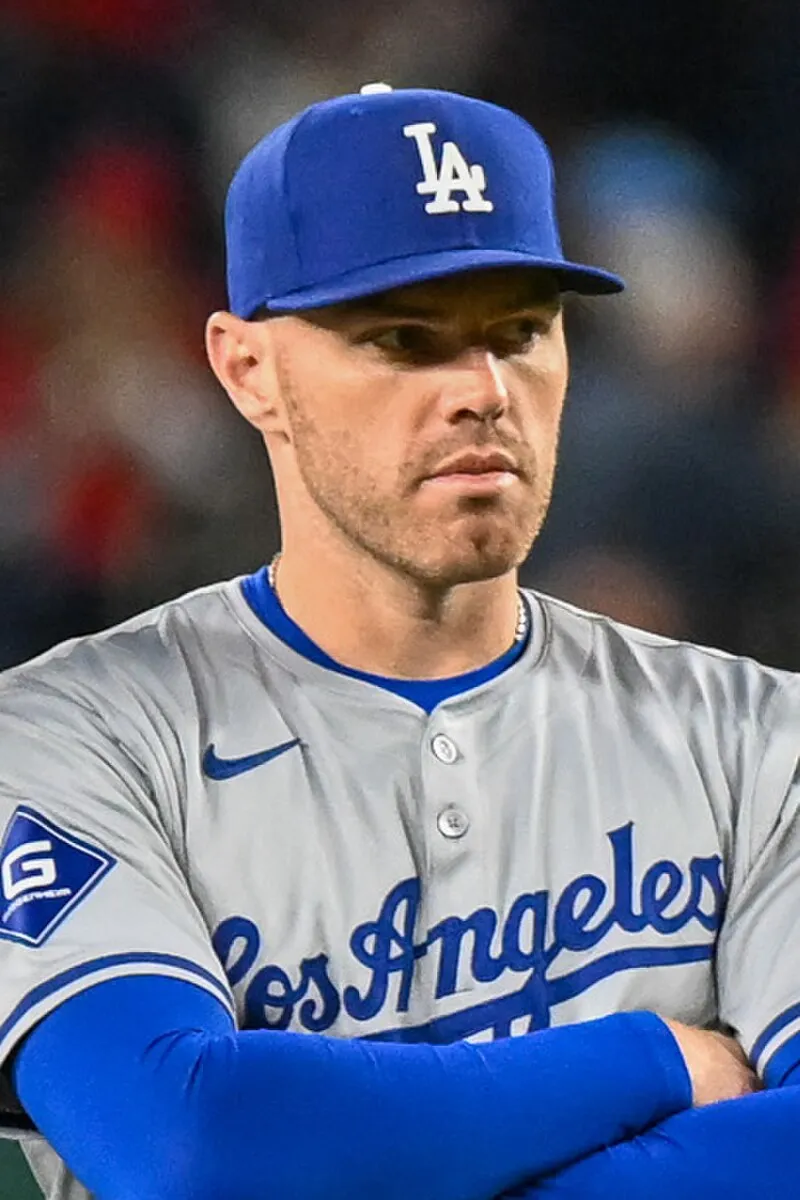
Freddie Freeman's financial trajectory exemplifies how consistent excellence and smart decision-making can create lasting wealth in professional baseball. The Los Angeles Dodgers first baseman has accumulated an estimated net worth of $120 million by 2026, built through a combination of lucrative contracts, strategic endorsements, and diversified investments. His path from a young Atlanta Braves prospect to one of baseball's most respected veterans demonstrates the financial rewards available to players who maintain elite performance over an extended career.
Atlanta Years: Building the Foundation
Freeman's professional earnings began modestly when the Atlanta Braves selected him in the second round of the 2007 draft. His initial signing bonus of $409,500 provided the first significant influx of capital for the California native, who had grown up in a middle-class household in Orange County.
During his minor league development, Freeman earned standard prospect wages while honing the skills that would make him a perennial All-Star. His major league debut in 2010 marked the beginning of his serious earning potential, though his initial contracts reflected the team-friendly nature of pre-arbitration salaries.
The breakthrough came with Freeman's first major contract extension in 2014. The eight-year, $135 million deal with Atlanta represented a significant leap in his financial standing, guaranteeing him an average annual value of nearly $17 million. This contract provided the foundation for his current wealth, offering both immediate financial security and the platform for future earnings growth.
The Dodgers Payday: Maximizing Market Value
Freeman's decision to join the Los Angeles Dodgers in 2022 proved to be both a competitive and financial masterstroke. The six-year, $162 million contract he signed with Los Angeles reflected his sustained excellence and the premium placed on veteran leadership in high-pressure markets.
The Dodgers deal includes several performance incentives and escalators that have boosted Freeman's annual earnings beyond the base salary. His $27 million average annual value places him among the highest-paid first basemen in baseball history. By 2026, Freeman has earned approximately $108 million from this contract, with guaranteed money extending through the 2027 season.
The Los Angeles market has also provided Freeman with enhanced endorsement opportunities unavailable during his Atlanta tenure. The larger media market and the Dodgers' global brand recognition have increased his commercial appeal significantly.
Championship Dividends and Performance Bonuses
Freeman's instrumental role in the Dodgers' 2024 World Series championship provided both immediate financial rewards and long-term earning potential increases. His World Series MVP performance triggered contract bonuses totaling $2 million while simultaneously elevating his marketability for future endorsement deals.
The championship run also generated substantial playoff bonuses distributed by Major League Baseball. Freeman's share of the World Series prize pool added approximately $500,000 to his 2024 earnings, while his individual accolades from the postseason created additional commercial opportunities.
His clutch performances in October baseball have enhanced his reputation as a premier postseason performer, a designation that typically translates into increased endorsement value and speaking engagement fees during the offseason.
Endorsement Strategy and Brand Partnerships
Freeman has cultivated a carefully curated endorsement portfolio that reflects his family-friendly image and professional demeanor. His primary partnership with Nike has evolved over his career, with his current deal worth an estimated $2.5 million annually. The relationship includes signature cleats and training apparel that appeal to both amateur and professional players.
His equipment endorsements include a long-standing relationship with Louisville Slugger, where he has helped develop bat designs used by players throughout professional baseball. This partnership, worth approximately $800,000 annually, also includes royalty payments from bat sales featuring his specifications.
Regional endorsements have provided additional income streams, particularly after his move to Los Angeles. Freeman has secured partnerships with Southern California-based companies, including a notable deal with a luxury car dealership that provides him with vehicles in exchange for promotional appearances.
Real Estate Portfolio and Investment Diversification
Freeman's real estate investments span multiple markets, reflecting both his playing career geography and his long-term investment strategy. His primary residence in Manhattan Beach, California, purchased for $7.8 million in 2022, has appreciated significantly in the competitive Los Angeles market.
His Atlanta-area properties, retained after his move to Los Angeles, include a $3.2 million estate in Buckhead that serves as both a rental property and a connection to his former home market. The property has generated consistent rental income while appreciating at an average rate of 8% annually.
Freeman has also invested in commercial real estate through a partnership with former teammates, purchasing a mixed-use development in suburban Atlanta that houses retail and office spaces. This investment, valued at approximately $12 million, provides steady cash flow through long-term lease agreements.
The Freeman Family Foundation and Tax Planning
The Freeman Family Foundation, established during his Atlanta years, has grown into a substantial charitable organization with assets exceeding $5 million. The foundation focuses on childhood cancer research and support, reflecting personal experiences within Freeman's extended family.
Beyond its charitable mission, the foundation serves as a component of Freeman's comprehensive tax planning strategy. His annual contributions to the foundation provide tax benefits while supporting causes important to his family. The foundation's professional management also ensures compliance with IRS regulations governing athlete charitable organizations.
Freeman's tax planning extends to his contract structuring, with deferred compensation arrangements that help manage his annual tax burden while providing guaranteed future income streams.
Media Ventures and Post-Career Planning
Freeman has begun establishing media relationships that could provide income opportunities beyond his playing career. His regular appearances on MLB Network and various podcasts have built his profile as a thoughtful analyst and engaging personality.
In 2025, Freeman signed a consulting agreement with Fox Sports that includes potential broadcasting opportunities following his retirement. The deal provides him with media training and exposure while securing a pathway to post-career income generation.
His social media presence, while more conservative than some contemporaries, has attracted brand partnerships seeking authentic engagement with baseball fans. Freeman's family-focused content resonates particularly well with sponsors targeting parent demographics.
Business Investments and Ownership Stakes
Freeman has diversified his investment portfolio beyond traditional real estate and endorsements. His minority stake in a sports technology company, acquired in 2024, represents his entry into the growing intersection of athletics and technology innovation.
He has also invested in several restaurant franchises in the Los Angeles area, leveraging his local celebrity status to drive business to establishments where he maintains ownership interests. These investments provide both passive income and potential appreciation as the businesses grow.
Financial Legacy and Future Projections
By 2026, Freddie Freeman has established himself as one of baseball's most financially successful veterans. His estimated $120 million net worth reflects not just his on-field earnings, but also his strategic approach to wealth building and brand development.
As Freeman enters the latter stages of his career, his financial planning has positioned him for sustained wealth well beyond his playing days. His diversified investment portfolio, established media relationships, and strong personal brand provide multiple income streams that should continue generating wealth for decades to come.
Freeman's financial success story serves as a blueprint for how sustained excellence, combined with smart business decisions and strategic planning, can create generational wealth in professional sports. His journey from Atlanta rookie to Los Angeles champion illustrates the financial rewards available to players who maximize both their on-field potential and off-field opportunities.