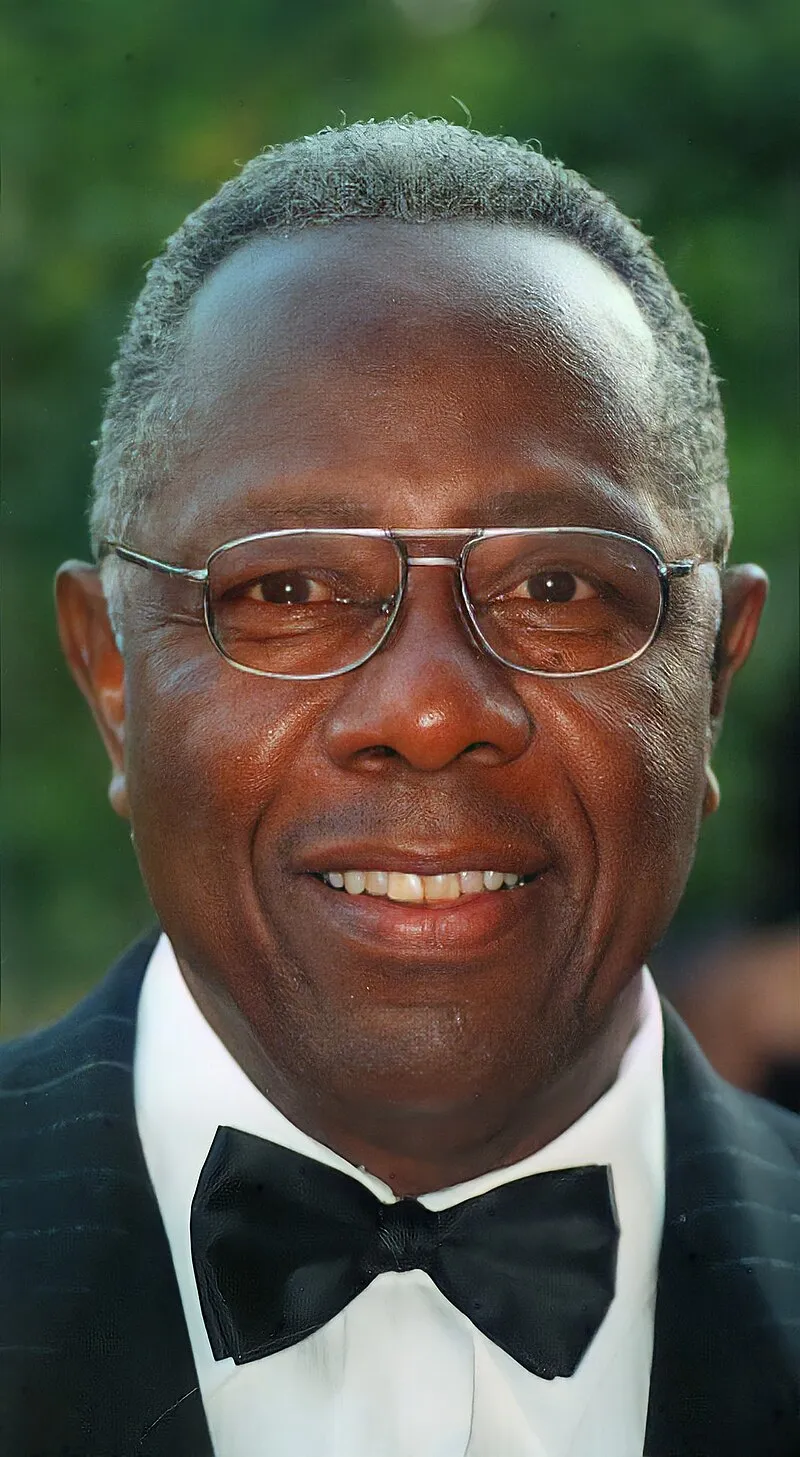
Hank Aaron's financial legacy extends far beyond his legendary baseball career, with his estate valued at approximately $25 million in 2026. The Hall of Famer's journey from a $200 signing bonus with the Indianapolis Clowns to becoming one of baseball's most successful post-career entrepreneurs demonstrates the power of strategic business planning and community investment.
Humble Beginnings and Early Career Earnings
Aaron's professional baseball journey began with modest compensation that reflected the era's economic realities. His initial contract with the Milwaukee Braves in 1952 paid him $350 per month, a significant step up from his Negro League earnings but far from today's astronomical figures.
Throughout the 1950s and 1960s, Aaron's salary grew steadily as his performance established him among baseball's elite. By 1973, when he approached Babe Ruth's home run record, Aaron was earning approximately $200,000 annually—substantial for the era but modest compared to contemporary standards.
His total MLB earnings spanned 23 seasons between the Braves and Milwaukee Brewers, accumulating roughly $2.8 million in career salary. However, these playing earnings represented only the foundation of his eventual financial empire.
Breaking Barriers and Building Brand Value
Aaron's pursuit of Ruth's home run record in 1973-1974 created unprecedented media attention and endorsement opportunities. Despite facing racial hostility, Aaron leveraged his historic achievement into lucrative partnerships with Coca-Cola, Magnavox, and other major brands.
His dignified handling of pressure and threats during the record chase enhanced his marketability and established him as a spokesperson for racial progress in sports. These endorsements generated approximately $500,000 annually during his peak playing years, significant supplemental income that provided capital for future investments.
Post-Career Business Ventures
Aaron's most successful wealth-building strategy emerged after retirement through diversified business ownership. His automotive dealership empire became the cornerstone of his financial portfolio, with Hank Aaron BMW and other franchises generating millions in annual revenue.
The dealerships, strategically located in Atlanta's growing suburbs, capitalized on Aaron's local celebrity status and the region's economic expansion. At their peak, these businesses employed over 300 people and generated annual revenues exceeding $100 million.
Aaron also invested in restaurant franchises, including Church's Chicken locations throughout the Southeast. These ventures provided steady cash flow while building equity in rapidly appreciating commercial real estate.
Real Estate Investment Strategy
Aaron's real estate portfolio reflected both personal preferences and investment acumen. His primary residence in Atlanta's exclusive Buckhead neighborhood, purchased in the 1970s, appreciated significantly over decades of ownership.
Beyond personal residences, Aaron invested in commercial properties tied to his business ventures. His ownership of dealership properties and restaurant locations created dual income streams through both business profits and real estate appreciation.
His vacation properties in Wisconsin and Florida provided personal enjoyment while serving as long-term investment vehicles. The Florida holdings, in particular, benefited from the state's population growth and favorable tax environment.
Corporate Partnerships and Board Positions
Aaron's business acumen earned him positions on numerous corporate boards, including Turner Broadcasting and CNN parent company. These roles provided both income and networking opportunities that enhanced his other business ventures.
His long-term relationship with Coca-Cola proved particularly valuable, extending from player endorsements to executive consulting roles. The company's Atlanta headquarters created natural synergies with Aaron's local business interests and community involvement.
These corporate relationships also provided access to investment opportunities and business partnerships that multiplied his wealth beyond direct compensation.
Memorabilia and Licensing Revenue
Aaron's historical significance created ongoing revenue streams through memorabilia sales and licensing agreements. His 715th home run ball and related artifacts maintain significant value in the collectors' market.
Licensing deals for his name and image generate consistent royalty payments, particularly around anniversaries of his record-breaking achievements. These agreements provide passive income that continues benefiting his estate.
The enduring interest in Aaron's story, enhanced by documentaries and biographical works, maintains demand for licensed products and appearances that translate to ongoing financial value.
Philanthropic Impact and Tax Strategy
Aaron's charitable giving, particularly through the Hank Aaron Chasing the Dream Foundation, provided both community impact and tax advantages. His donations to educational institutions and youth programs created lasting legacies while optimizing his tax position.
The foundation's focus on scholarship programs and facility development in underserved communities reflected Aaron's commitment to expanding opportunities for future generations.
Strategic charitable giving also enhanced Aaron's public image and business relationships, creating indirect financial benefits through enhanced brand value and networking opportunities.
Estate Planning and Legacy Preservation
Aaron's financial team implemented sophisticated estate planning strategies that preserved wealth for his family while minimizing tax implications. Trust structures and business succession plans ensured smooth transitions of his various enterprises.
The continued operation of his businesses under family management demonstrates the sustainability of his wealth-building strategies. His widow and children maintain active involvement in preserving and growing his financial legacy.
Modern Valuation and Ongoing Revenue
In 2026, Aaron's estate continues generating income through business operations, real estate holdings, and licensing agreements. The automotive dealerships, now under second-generation management, remain profitable enterprises in Atlanta's competitive market.
His real estate holdings have appreciated substantially, particularly the Florida properties that benefit from continued population growth and development. The commercial properties tied to his business ventures provide steady rental income and capital appreciation.
Licensing and memorabilia revenue maintain consistent value, with renewed interest around milestone anniversaries and historical retrospectives. Aaron's story resonates with new generations, ensuring ongoing demand for related products and experiences.
Hank Aaron's financial success story demonstrates how athletic achievement can serve as a platform for broader wealth creation. His strategic focus on sustainable businesses, real estate investment, and community engagement created a lasting financial legacy that extends far beyond his playing career accomplishments.