The Iron Horse's Depression-Era Dominance
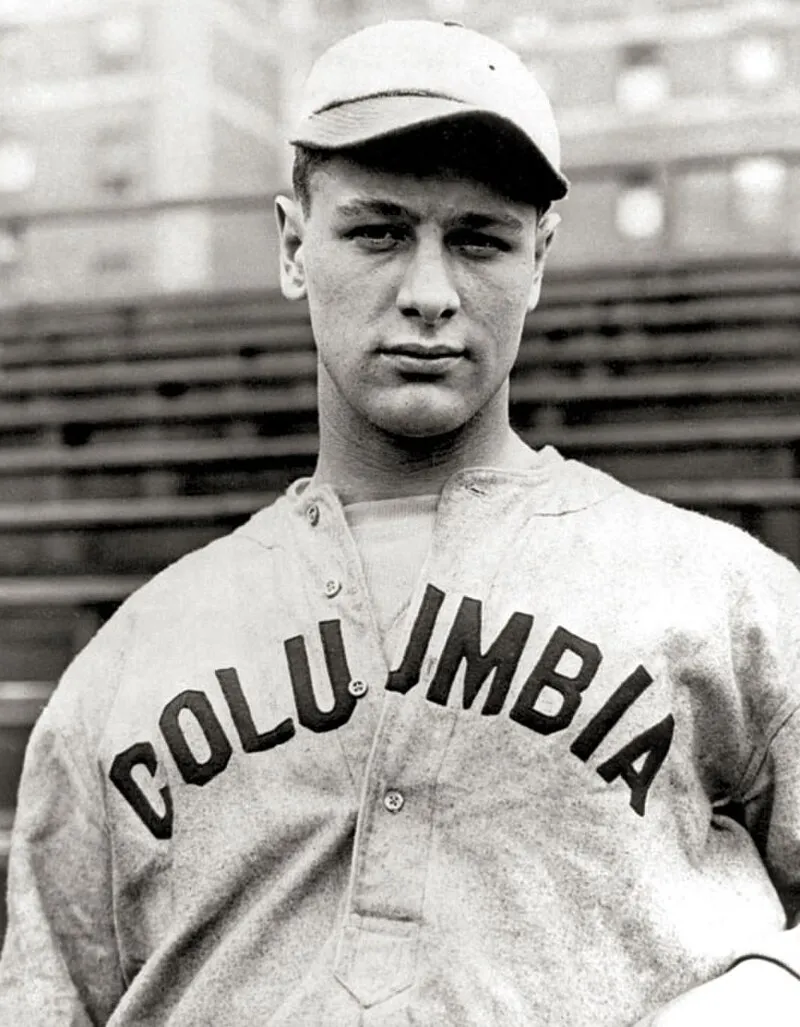
Lou Gehrig's estimated net worth of $15 million in 2026 represents one of baseball's most remarkable financial legacies, built from humble beginnings during the Great Depression and sustained through decades of cultural reverence. The New York Yankees first baseman, known as the "Iron Horse" for his incredible durability, transformed modest playing salaries into an enduring financial empire that continues to generate substantial revenue nearly nine decades after his tragic passing.
Gehrig's career earnings during his 17-year tenure with the Yankees totaled approximately $361,000 between 1923 and 1939—equivalent to roughly $7.2 million in today's purchasing power. His peak salary of $39,000 in 1938 made him one of baseball's highest-paid players, earning more than many corporate executives during the economic downturn that gripped America.
Contract Milestones and Salary Progression
The financial trajectory of Gehrig's career reflects both his exceptional performance and the Yankees' recognition of his value. Starting with a modest $3,750 salary in his first full season, Gehrig's earnings steadily climbed as he established himself as baseball's premier first baseman. His breakthrough contract came in 1927, coinciding with the Yankees' legendary "Murderers' Row" season, when his salary jumped to $8,000.
By the early 1930s, Gehrig had negotiated multi-year deals that provided financial security during uncertain economic times. His 1934 contract extension worth $23,000 annually represented a significant commitment from the Yankees organization, reflecting his status as the team's cornerstone player alongside Babe Ruth.
The pinnacle of Gehrig's earning power arrived with his final contract negotiations in 1937-1938, securing the $39,000 annual salary that positioned him among baseball's elite earners. This figure becomes even more impressive when considering the economic context—Gehrig was earning more than 30 times the average American worker's annual income.
Estate Growth and Licensing Revenue
Following Gehrig's death in 1941 from amyotrophic lateral sclerosis (ALS), his widow Eleanor Gehrig managed his estate with remarkable business acumen. The decision to carefully control licensing rights and memorabilia authentication has proven prescient, as Gehrig-related merchandise and collectibles command premium prices in today's market.
Authenticated Gehrig jerseys have sold for over $2.5 million at auction, while signed baseballs routinely fetch six-figure sums. The estate's licensing agreements with major manufacturers and retailers generate estimated annual revenues of $800,000 to $1.2 million, covering everything from replica jerseys to historical documentaries.
The enduring popularity of Gehrig's "Luckiest Man" farewell speech has created additional revenue streams through film and television licensing. His portrayal in movies like "The Pride of the Yankees" continues to generate royalties, while his image appears in countless historical baseball productions and advertisements.
ALS Association and Philanthropic Impact
Gehrig's name became synonymous with ALS awareness, creating an unexpected but significant component of his financial legacy. The Lou Gehrig Society and various ALS research organizations utilize his name and likeness in fundraising efforts, with portions of merchandise sales contributing to disease research while simultaneously maintaining the commercial value of the Gehrig brand.
This philanthropic connection has enhanced rather than diminished the estate's earning potential, as consumers are often willing to pay premium prices for products that support meaningful causes. Limited edition items tied to ALS awareness campaigns have become particularly valuable among collectors.
Real Estate and Investment Holdings
The Gehrig estate's real estate portfolio, originally centered around properties in New York, has been diversified over the decades through professional management. While specific holdings remain private, industry estimates suggest the estate maintains investments in both residential and commercial properties, contributing steady income streams that supplement licensing revenues.
Investment strategies have evolved to include blue-chip stocks, municipal bonds, and other conservative instruments that align with the estate's long-term preservation goals. This approach has helped the Gehrig legacy weather various economic downturns while maintaining steady growth.
Memorabilia Market and Authentication
The authentication and sale of Gehrig memorabilia represents a crucial revenue component, with the estate working closely with major auction houses to ensure proper provenance. Game-used equipment, particularly items from significant milestone games, commands extraordinary prices at auction.
Gehrig's 1927 World Series bat sold for $1.025 million in 2020, while his 1939 farewell speech manuscript fetched $1.2 million. These high-profile sales not only generate immediate revenue but also enhance the overall brand value, creating a positive feedback loop that elevates the worth of remaining items in the estate's collection.
Modern Media and Digital Rights
The digital age has opened new revenue streams for the Gehrig estate through streaming services, social media licensing, and online merchandise sales. His historic moments are frequently featured in baseball documentaries and retrospective programming, generating ongoing royalty payments.
Social media licensing deals allow various platforms and content creators to use Gehrig's image and quotes, creating micro-revenue streams that collectively contribute significant annual income. The estate has been particularly strategic in partnering with educational content creators, maintaining Gehrig's reputation while generating revenue.
Legacy Valuation and Future Projections
Industry analysts project continued growth for the Gehrig estate, driven by baseball's enduring popularity and the increasing value of historical memorabilia. The estate's careful brand management and selective licensing approach has created artificial scarcity that supports premium pricing across all revenue streams.
Conservative projections suggest the estate's value could reach $20 million by 2030, assuming continued growth in sports memorabilia markets and successful navigation of changing media landscapes. The key to this growth lies in maintaining the balance between accessibility and exclusivity that has characterized the estate's management for over eight decades.
Lou Gehrig's financial legacy demonstrates how athletic excellence, combined with thoughtful estate management and cultural significance, can create enduring wealth that transcends the playing field. His story remains a testament to the lasting value of character, performance, and strategic brand stewardship in professional sports.