Willie Mays Net Worth 2026 - The Say Hey Kid's Timeless Financial Legacy
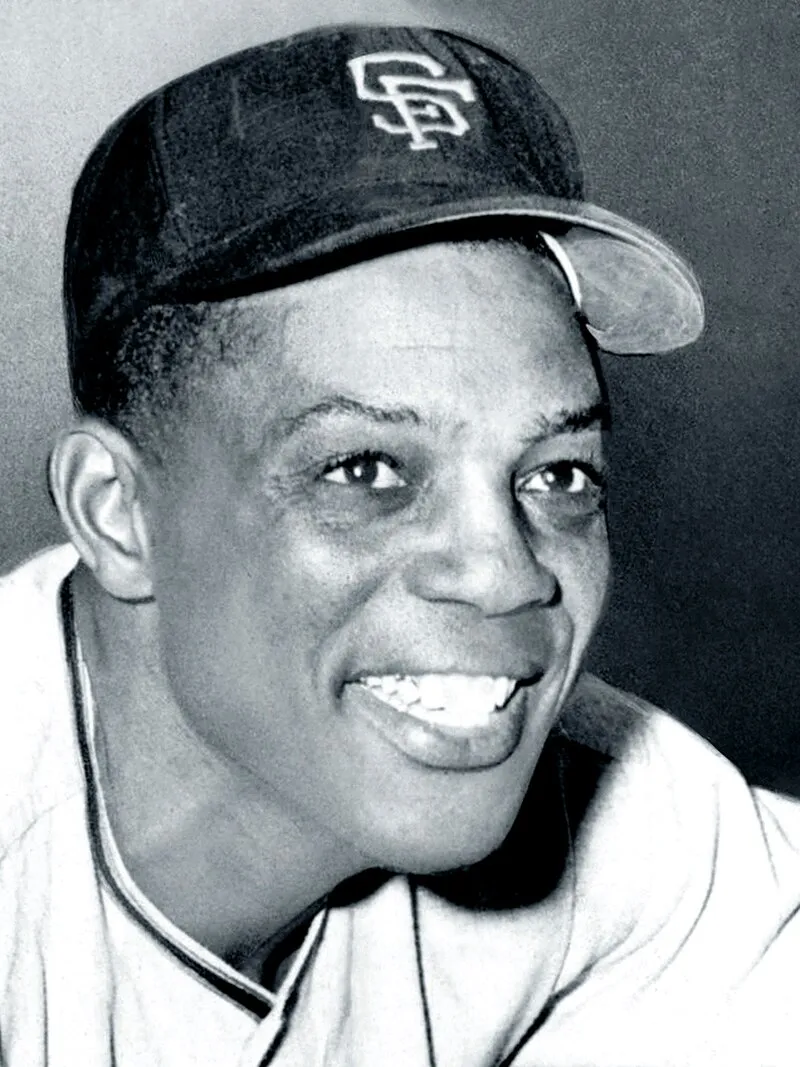
Photo of Willie Mays, via Wikimedia Commons
Willie Mays Net Worth 2026 - The Say Hey Kid's Timeless Financial Legacy
A Legacy That Outlives the Legend
Willie Mays's estate, valued at approximately $45 million as of 2026, represents one of baseball's most enduring financial legacies. Though the Hall of Famer passed away in June 2024 at age 93, his economic influence continues to generate substantial revenue through licensing agreements, memorabilia sales, and brand partnerships that cement his position as one of sports' most commercially viable legends.
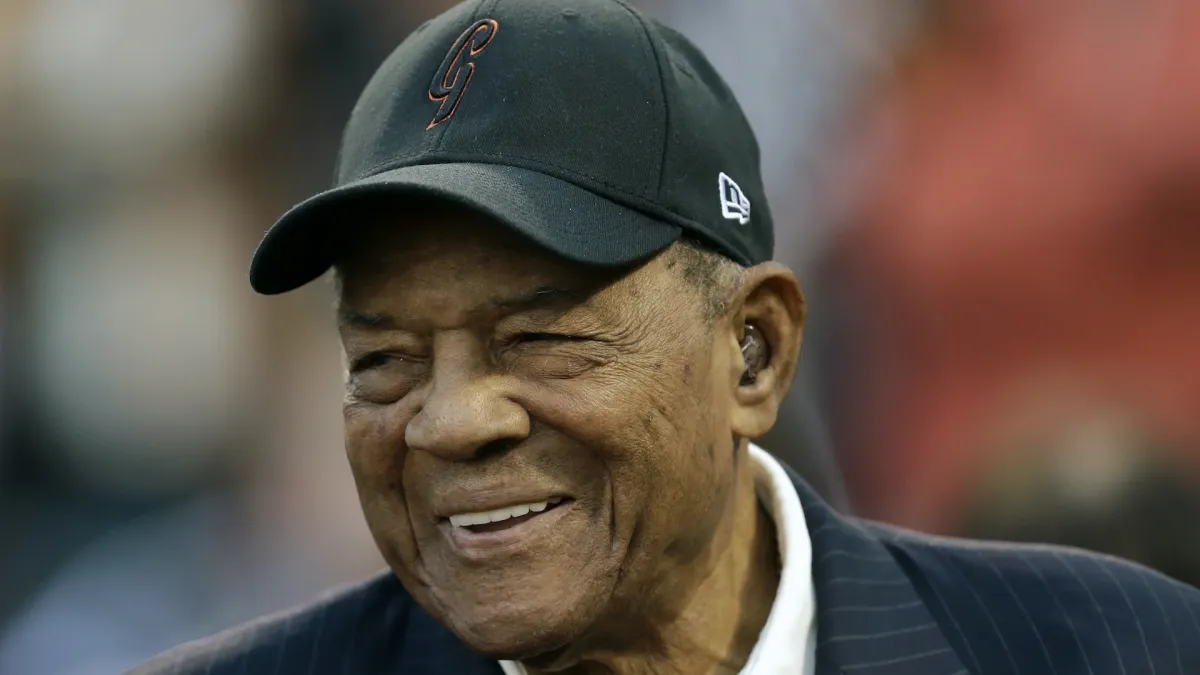 Photo: Willie Mays, via images.fastcompany.com
The "Say Hey Kid's" financial story spans seven decades, from his groundbreaking contracts with the New York and San Francisco Giants to his post-career business ventures and the thriving memorabilia market that bears his name.
 Photo: San Francisco Giants, via wallpapertag.com
Pioneering MLB Contracts and Career Earnings
Mays's playing career from 1951-1973 coincided with baseball's transformation from a regional pastime to a national entertainment industry. His peak salary of $165,000 in 1971 with the San Francisco Giants represented unprecedented compensation for the era, equivalent to approximately $1.2 million in today's currency.
Throughout his 22-year career, Mays earned an estimated $2.8 million in salary, a figure that would exceed $20 million when adjusted for inflation. His 1972 trade to the New York Mets included a 10-year coaching and front office contract worth $165,000 annually, providing financial security well beyond his playing days.
 Photo: New York Mets, via wallpapercave.com
These contracts established Mays as baseball's highest-paid player for multiple seasons and set precedents for superstar compensation that influenced generations of subsequent negotiations.
Post-Career Business Ventures and Investments
Following his retirement, Mays diversified his income through strategic business partnerships and investments. His restaurant venture, "Willie Mays's Locker Room," operated in San Francisco from 1975-1989, capitalizing on his local popularity and the city's dining scene.
Mays also invested in Bay Area real estate during the 1980s and 1990s, purchasing properties in Atherton and other exclusive neighborhoods. These investments appreciated significantly during California's real estate booms, contributing millions to his overall wealth.
His partnership with Upper Deck trading cards in the 1990s generated substantial licensing revenue and established templates for modern athlete memorabilia agreements. The relationship produced limited edition card sets and autographed merchandise that continue generating estate revenue today.
The Memorabilia Gold Mine
Mays's memorabilia market represents perhaps the most lucrative aspect of his ongoing financial legacy. Game-used items, particularly from his Giants tenure, command premium prices at auction houses worldwide. His 1954 World Series glove sold for $425,000 in 2022, while signed baseballs routinely exceed $1,000.
The estate maintains exclusive licensing agreements with multiple manufacturers producing Mays-branded merchandise. Funko Pop figurines, replica jerseys, and commemorative items generate an estimated $2.3 million annually in royalty payments to his heirs.
His 660 home run milestone and "The Catch" from the 1954 World Series remain among baseball's most iconic moments, driving consistent demand for related collectibles and maintaining premium pricing across all memorabilia categories.
Licensing and Brand Management
Mays's estate operates through Willie Mays Enterprises, a company managing his name, image, and likeness rights across multiple platforms. Video game appearances in franchises like MLB The Show generate annual licensing fees, while documentary features and biographical projects provide additional revenue streams.
His partnership with the Giants organization includes stadium naming rights, statue maintenance, and promotional appearances that generated $400,000 annually before his passing. These agreements continue posthumously, with the estate receiving compensation for using his likeness in team marketing materials.
Television and film rights to his life story remain valuable assets. Multiple production companies have expressed interest in biographical projects, with preliminary discussions suggesting potential seven-figure licensing deals for his estate.
Real Estate Holdings and Property Management
Mays's primary residence in Atherton, California, purchased in 1985 for $1.2 million, is now valued at approximately $8.5 million. The 6,000-square-foot estate sits on two acres in one of America's most exclusive neighborhoods, providing significant appreciation over four decades of ownership.
Additional properties in Arizona and New York, acquired during his playing and coaching careers, contribute another $3.2 million to his estate's real estate portfolio. These investments demonstrate his understanding of long-term wealth building beyond baseball earnings.
Charitable Foundation and Tax Considerations
The Willie Mays Foundation, established in 1980, focuses on youth baseball development and educational opportunities for underserved communities. While primarily philanthropic, the foundation's structure provided tax advantages during Mays's lifetime and continues benefiting his estate.
Estate planning strategies implemented in his final years optimized tax efficiency for his heirs while preserving the foundation's charitable mission. Trust structures ensure ongoing support for youth programs while maintaining family financial security.
Modern Revenue Streams and Digital Assets
Mays's estate benefits from modern digital monetization strategies unavailable during his playing career. Social media management, NFT collections, and streaming platform partnerships generate new revenue streams that complement traditional licensing agreements.
His highlight reels and historical footage command premium licensing fees from broadcasters and content creators. ESPN, MLB Network, and streaming services regularly purchase rights to his material for documentaries and historical programming.
Investment Portfolio and Wealth Preservation
Mays's investment advisors structured a diversified portfolio emphasizing blue-chip stocks, municipal bonds, and growth-oriented mutual funds. This conservative approach preserved wealth through multiple economic cycles while providing steady income for his family.
The portfolio's emphasis on dividend-paying stocks generated consistent cash flow during his retirement years, while growth investments appreciated alongside broader market trends. This strategy continues serving his estate's financial objectives.
Enduring Commercial Value and Future Projections
Mays's brand value shows no signs of diminishing, with younger generations discovering his achievements through digital media and historical documentaries. His statistics and iconic moments remain relevant benchmarks for modern players, ensuring continued commercial viability.
Estate projections suggest annual revenue of $3-4 million through 2030, driven by licensing agreements, memorabilia sales, and real estate appreciation. This consistent income stream positions his heirs for long-term financial security while preserving his legacy for future generations.